Small jobs, wrong areas
Lead services and broad ads bring handyman jobs from three counties away. Your estimator loses days.
Lead qualityAds and visibility: customers who are looking for your service now or don’t know about it yet.
01 Google AdsInquiries from people searching for your service right nowfrom $1,000/mo 02 Social media adsMeta, TikTok, LinkedIn: customers who are not searching yetfrom $600/mo 03 SEOHigher in Google and Maps without paying per clickfrom $750/mo 04 Visibility in ChatGPT and AIYour business in AI assistant answerspart of SEO 05 Amazon and marketplacesSell where customers already buywith a partnerThe place where a visit turns into an inquiry, and a system that doesn’t lose that inquiry.
01 Web designA website that turns visits into inquirieslanding from $1,000 02 Online storesCart, payments and shipping, ready for adsfrom $3,900 03 CRMNo inquiry gets lost in a phonesetup $3,000 04 Chatbots and AIThey answer customers, at night too$1,900 05 Email and SMSCustomers come back instead of forgetting youquoted individuallyPlan and tracking first, budget second. You know what works before you spend more.
01 Strategy and auditKnow where to spend the budget before you spend it$1,900 02 AnalyticsSee which ad brings in money$550 03 ConsultationsA call about your specific problem$65/h 04 Free auditA quick review and 3–5 priorities to start$0How your business looks and sounds before anyone calls you.
01 Social media managementProfiles that look like a real businesswith a partner 02 Creative and videoGraphics and videos that stop the thumbquoted individually 03 BrandingA logo and style that sets you apartwith a partner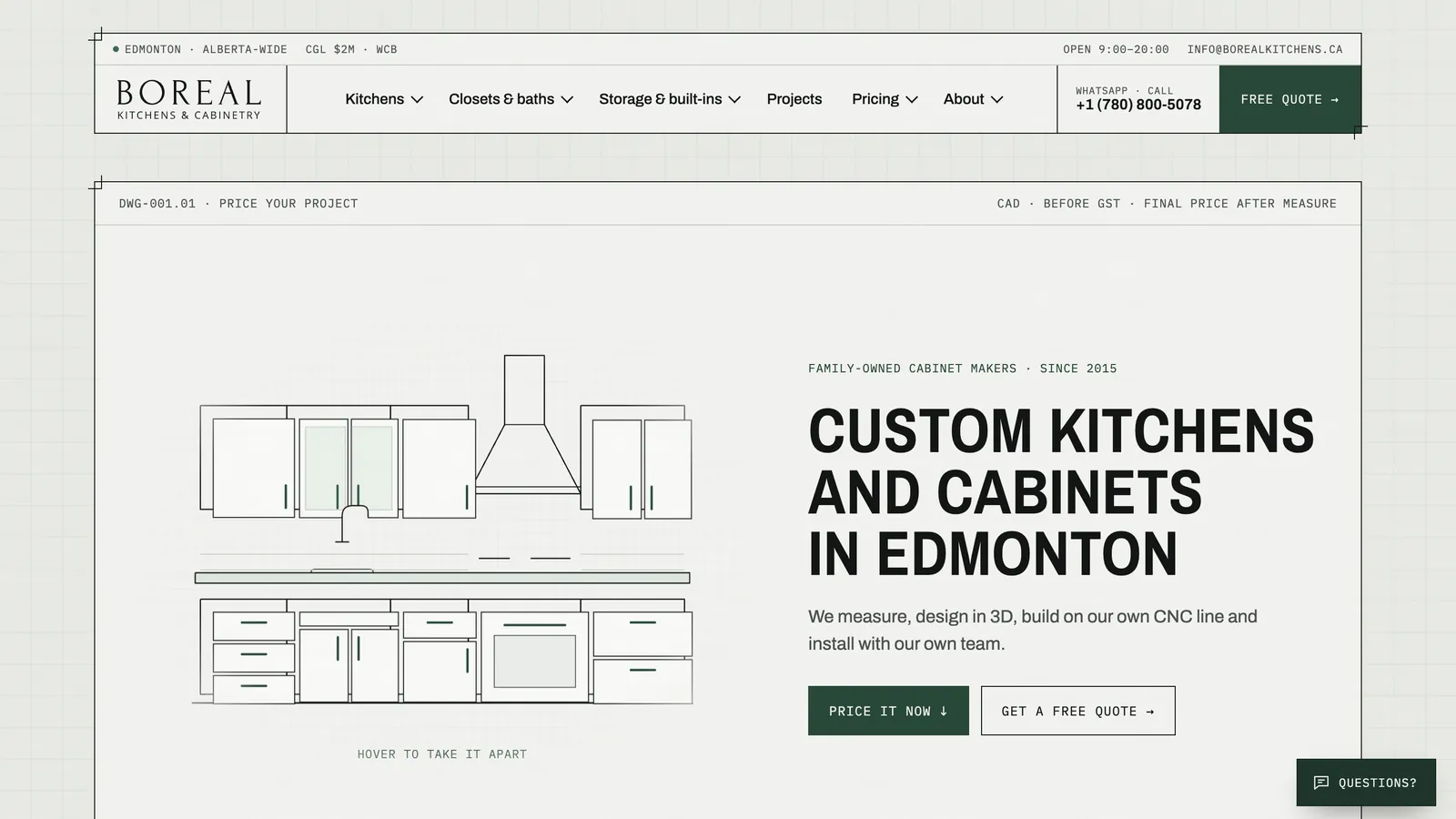 Edmonton, Canada
200 keywords on page one of Google
Boreal Kitchens
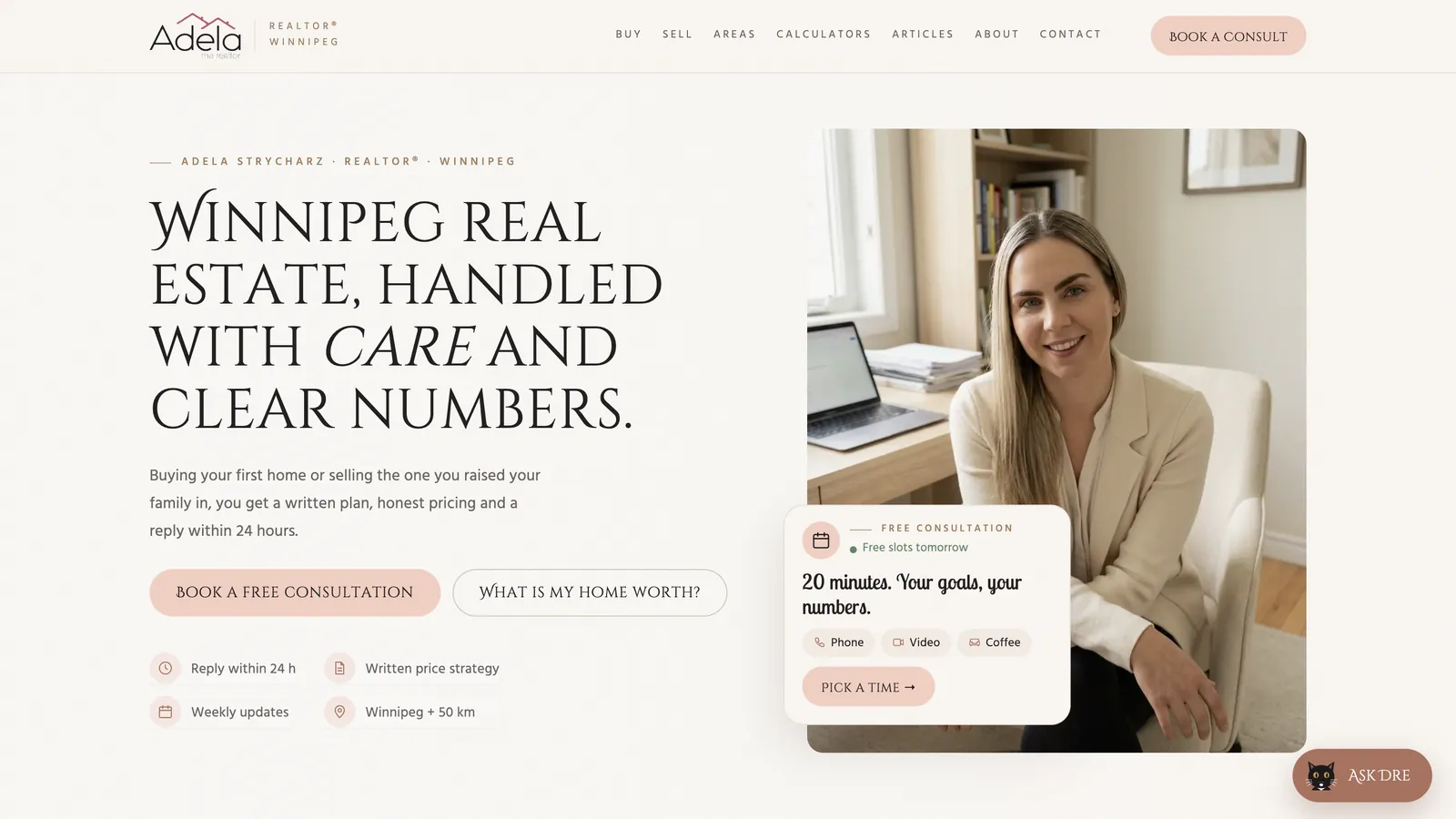 Winnipeg, Canada
up to 5 inquiries/mo from Google without ads
Adela Realtor
 Żywiec, Poland
from 3 to 9 locations in two years
Gładko Tnący Barber
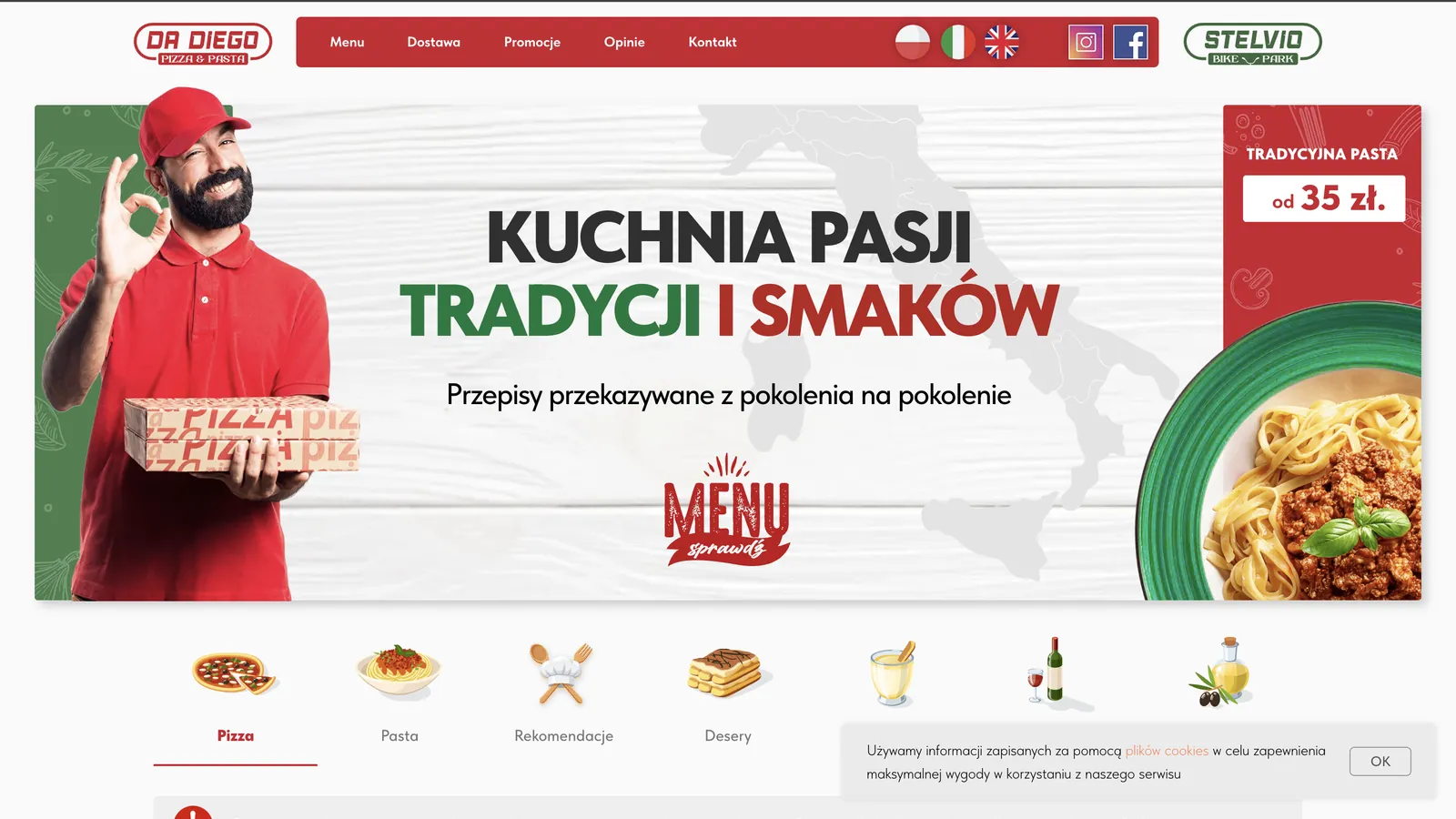 Żywiec, Poland
PLN 15 000 +/mo in delivery orders
Da Diego
Marketing for construction companies that brings better projects, not just more calls: home additions. A portfolio that proves what you build, ads for high-value searches and a CRM that keeps bids moving.
Free: a 30-minute call, an action plan and a price range in writing.

Lead services and broad ads bring handyman jobs from three counties away. Your estimator loses days.
Lead qualityA site with stock photos and no license number. Homeowners burned by bad contractors check everything.
TrustBids sent, never followed up. Without a pipeline, nobody knows which ones are still alive.
BidsBefore calling, customers read reviews. I help you collect them and reply in a way that builds trust.
Real projects with photos, scope, location and timeline. The page that sells a remodel more than any ad.
Google Ads on high-value searches like "home addition contractor" or "commercial build-out", limited to your service area.
Google Business Profile, Houzz, BBB and Nextdoor. Homeowners check them all.
A CRM for every inquiry, site visit, estimate and follow-up, so good bids do not go cold.
Website, ads, bots, CRM and SEO: 200 keywords on page one of Google in Canada. High-ticket projects with long decisions.
See the case study →Ads, bots, CRM and website: 20+ recurring contracts a month, mostly offices. A B2B pipeline like commercial construction.
See the case study →Portfolio website, Google Ads setup and analytics.
Search campaigns for high-value project types.
Pipeline for inquiries, site visits, estimates and contracts.
Marketing for construction companies starts with trust. Homeowners planning a remodel or addition have heard stories about contractors who disappeared with a deposit. They search "general contractor near me", "home addition contractor", "kitchen remodel" plus a city or county, then check everything: the website, Google reviews, the BBB, Houzz, the state license lookup. Commercial clients search differently ("commercial general contractor", "tenant improvement contractor") and look for capabilities, safety and references.
A website with real projects (photos, scope, location, timeline), a visible license number, insurance information and a clear process answers those questions. A business website with a portfolio your team can update after each job does more than any ad.
Many states require contractors to show their license number in advertising, including websites and sometimes vehicle signage. Rules on how to describe services, insurance and bonding differ by state. Home improvement contracts often have state requirements on cancellation rights and payment terms, and the federal cooling-off rule can apply to some sales made at the home. I am not a lawyer, so the final word belongs to your state board or attorney, but I make sure the site and ads show what is required.
Google Ads search campaigns work well for high-value projects when they are tightly controlled: specific project keywords, a service area limited to where your crews actually go, negative keywords that filter out small repairs and DIY searches, and ad schedules during office hours. Local Services Ads with the Google Screened or Google Guaranteed badge are available for many contractor categories in many cities and charge per lead.
Lead marketplaces like Angi and Thumbtack can fill gaps, but leads are often shared. I usually treat them as a supplement and focus budget on channels that build your own reputation.
Construction sales take time: inquiry, site visit, estimate, revisions, financing, contract. Without a system, follow-ups slip. A CRM that tracks each stage and reminds your estimator to call after a bid can change your close rate more than any campaign. It also tells you which channels bring projects you actually win.
Spring and early summer are peak seasons for most residential work. Fall is strong for interior remodels, often with a goal of finishing before Thanksgiving. Winter slows exterior work in the North and Midwest, but it is the time homeowners plan spring projects, so ads and content should run then. In the South and Southwest, summer heat shifts schedules; on the Gulf and Atlantic coasts, hurricane season brings repair work and storm chasers you need to stand apart from.
I work remotely with contractors across the US, from Houston to Charlotte. We talk on Zoom early in your day, before the site visits start. The agreement lists deadlines and stages, payment is split 30/40/30 or monthly, and the website, domain and ad accounts are registered in your company's name from day one. If you want to know where your marketing leaks before spending more, a marketing audit is the place to start.
In many states, contractors must include their license number in ads and on websites, and homeowners look for it anyway. I put it in the footer and on key pages. Check your state licensing board for exact requirements.
In many categories and cities they can be. Leads come by phone, you pay per lead, and the Google Screened or Google Guaranteed badge builds trust. Availability depends on your category and location, so I check it during the audit.
Say your minimum project size on the website, show large projects in the portfolio, use negative keywords like "repair" or "handyman" in ads, and qualify leads with a short form. Fewer leads, better projects.
Yes. Commercial work needs a different site: capabilities, safety record, project types, references and a bid request process. LinkedIn helps for B2B; I run it with a trusted partner while the contract and communication stay with me.
Tell me your project types and service area. I reply within one business day.
What do you need most?