Leads
Shared leads
Purchased leads are often sold to several installers. Five companies call the same homeowner within an hour.
Ads and visibility: customers who are looking for your service now or don’t know about it yet.
01 Google AdsInquiries from people searching for your service right nowfrom $1,000/mo 02 Social media adsMeta, TikTok, LinkedIn: customers who are not searching yetfrom $600/mo 03 SEOHigher in Google and Maps without paying per clickfrom $750/mo 04 Visibility in ChatGPT and AIYour business in AI assistant answerspart of SEO 05 Amazon and marketplacesSell where customers already buywith a partnerThe place where a visit turns into an inquiry, and a system that doesn’t lose that inquiry.
01 Web designA website that turns visits into inquirieslanding from $1,000 02 Online storesCart, payments and shipping, ready for adsfrom $3,900 03 CRMNo inquiry gets lost in a phonesetup $3,000 04 Chatbots and AIThey answer customers, at night too$1,900 05 Email and SMSCustomers come back instead of forgetting youquoted individuallyPlan and tracking first, budget second. You know what works before you spend more.
01 Strategy and auditKnow where to spend the budget before you spend it$1,900 02 AnalyticsSee which ad brings in money$550 03 ConsultationsA call about your specific problem$65/h 04 Free auditA quick review and 3–5 priorities to start$0How your business looks and sounds before anyone calls you.
01 Social media managementProfiles that look like a real businesswith a partner 02 Creative and videoGraphics and videos that stop the thumbquoted individually 03 BrandingA logo and style that sets you apartwith a partner Edmonton, Canada
200 keywords on page one of Google
Boreal Kitchens
 Winnipeg, Canada
up to 5 inquiries/mo from Google without ads
Adela Realtor
 Żywiec, Poland
from 3 to 9 locations in two years
Gładko Tnący Barber
 Żywiec, Poland
PLN 15 000 +/mo in delivery orders
Da Diego
Marketing for solar installers that brings homeowners who chose you, not leads shared with five competitors: site assessments. Your own website and ads, savings claims that hold up, and follow-up that respects consent rules.
Free: a 30-minute call, an action plan and a price range in writing.
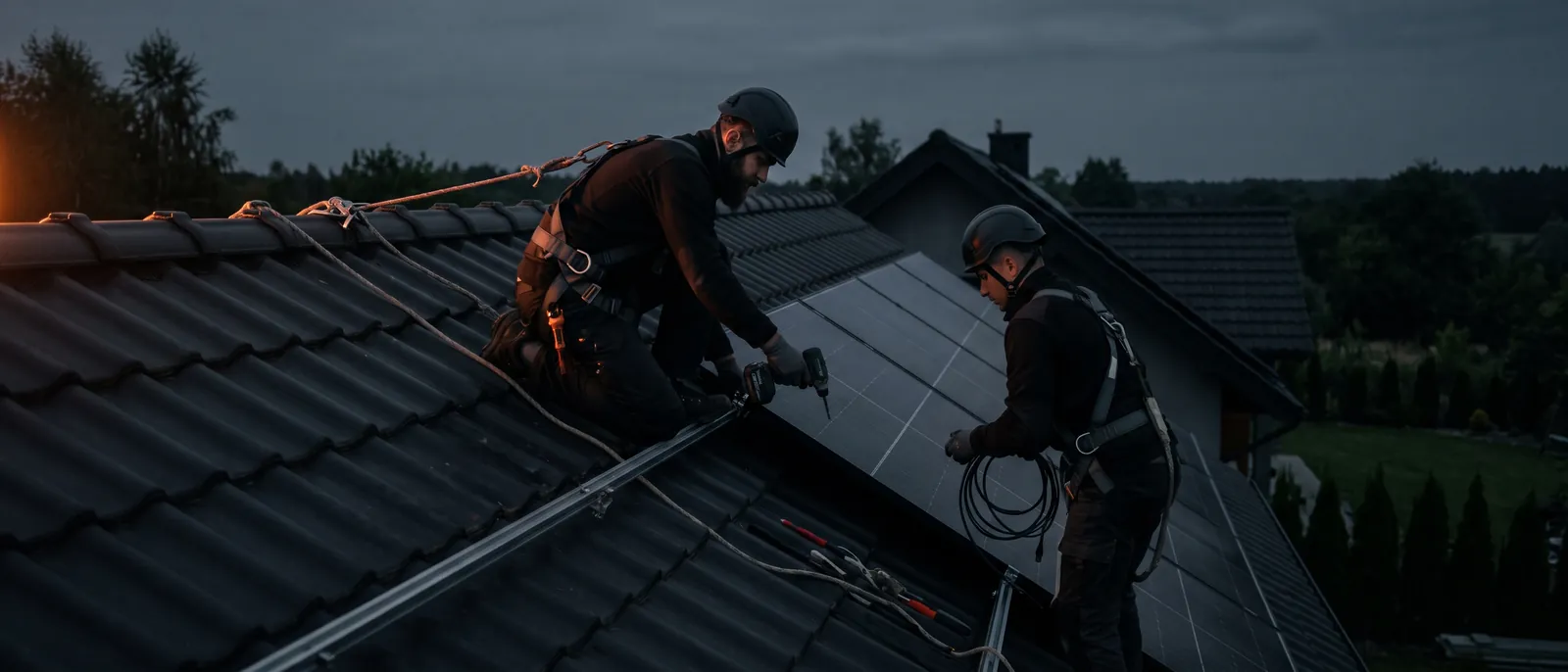
Pages for solar, batteries and backup power, financing options and real installs in your area.
"Solar installers near me", "home battery backup", "solar panel cost" plus a city, with tight service areas.
Installed customers are the best source of trust. A simple referral page and follow-up bring neighbors.
Every lead with its consent record, follow-up schedule and status through permit and install.
Before calling, customers read reviews. I help you collect them and reply in a way that builds trust.
Purchased leads are often sold to several installers. Five companies call the same homeowner within an hour.
Regulators and attorneys general have taken action against misleading solar savings claims. Homeowners have read the stories.
Tax credits and net metering rules changed. Old ad copy may now be wrong.
Website, ads, bots, CRM and SEO: 200 keywords on page one of Google in Canada. A high-ticket home purchase with a long decision.
See the case study →Ads, bots, CRM and website: 20+ recurring contracts a month, built on fast follow-up.
See the case study →Service area, products, financing partners, current lead sources and cost per sale.
I list every savings and incentive claim for your attorney to approve.
Website, calculators with stated assumptions, campaigns and CRM.
Cost per assessment and per signed contract, reviewed monthly.
Website, Google Ads setup and analytics.
Website, Google and Meta setup, CRM setup, analytics, then $1,400/month.
A review of your lead sources, claims and cost per sale, with a plan.
Marketing for solar installers in the US looks different in late 2026 than it did a few years ago. The federal residential clean energy credit, long the headline of solar ads, was ended for homeowner-owned systems after 2025 by the 2025 federal budget law. Net metering has been reduced in several states, with California's change being the best known. Interest rates affect financing. Battery storage and backup power have become a stronger selling point, especially in areas with outages, wildfires or hurricanes.
That means many installers are running ads and websites with claims that are no longer accurate. The first step in my work is a claim review: every number and promise on your site and ads, listed for your attorney or tax professional to approve or correct. Please verify current incentive rules with a professional; they change.
Solar is under scrutiny from the FTC, state attorneys general and consumer protection agencies. Actions have targeted misleading savings claims, "free solar" offers, hidden loan terms and high-pressure door-to-door sales. Several states, California among them, require specific disclosure documents in residential solar sales.
On the website, I build savings calculators that show assumptions in plain words, label results as estimates and avoid absolute promises. Ad copy talks about what the system does (produces power, stores it, keeps lights on during outages) rather than guaranteeing a bill amount. Financing ads use the lender's approved wording, since advertising terms like monthly payments can require disclosures under federal lending rules.
Many solar companies buy leads. The problem is well known: leads are shared, consent can be questionable and close rates are low. The TCPA requires prior express written consent for marketing calls and texts using automated systems, and the solar industry has seen many lawsuits over calls to purchased leads. Your own website, Google Ads and a referral program bring homeowners who asked for you, with consent you collected yourself. See my article on the TCPA and SMS for the basics.
"Solar panels cost" plus a state, "solar installers near me", "home battery backup", "solar panel cleaning", "solar roof". Pages for each, with real local installs, permit and interconnection timelines and financing options, convert better than one page about "going green".
Spring and summer bring the most interest, when homeowners see high cooling bills and long days. Fall is good for closing projects before year-end. Storm and wildfire seasons drive battery interest in Florida, Texas and California. Rate increases announced by utilities often trigger spikes in searches; a prepared campaign lets you respond fast.
Solar demand is strongest in sunny, high-rate states. I work remotely with installers in places like Phoenix, Las Vegas, San Diego and Florida, with calls on Zoom in your morning. Accounts, domain and website code stay in your name, and contracts have no minimum term. For a structured start, see marketing strategy.
Be careful. The federal residential clean energy credit for homeowners was ended for systems after 2025 under the 2025 budget law, while some incentives for leased or business-owned systems work differently. Old ads mentioning a 30% credit for homeowners may now be misleading. Check current rules with a tax professional before any incentive claim.
As estimates, with stated assumptions: current utility rates, system size, sun exposure, financing terms and the fact that rates and usage change. Avoid "free solar" and "eliminate your bill". Several states require specific disclosures for solar sales; your attorney should review the final copy.
Only with proper consent. Marketing calls and texts using automated systems require prior express written consent under the TCPA, and the FCC has tightened rules on consent collected by lead generators. Many solar companies have faced lawsuits here. I set up consent capture on your own forms.
They can, especially for awareness in sunny suburbs, but leads are often less ready than search leads. I usually start with search, then add Meta with lead forms that qualify on homeownership and roof type.
Tell me your service area and current lead sources. I reply within one business day.
What do you need most?