

How to research local competitors in one afternoon
How to research local competitors in one afternoon with free tools: what to look at on the map, in reviews, in ad libraries and on their websites.

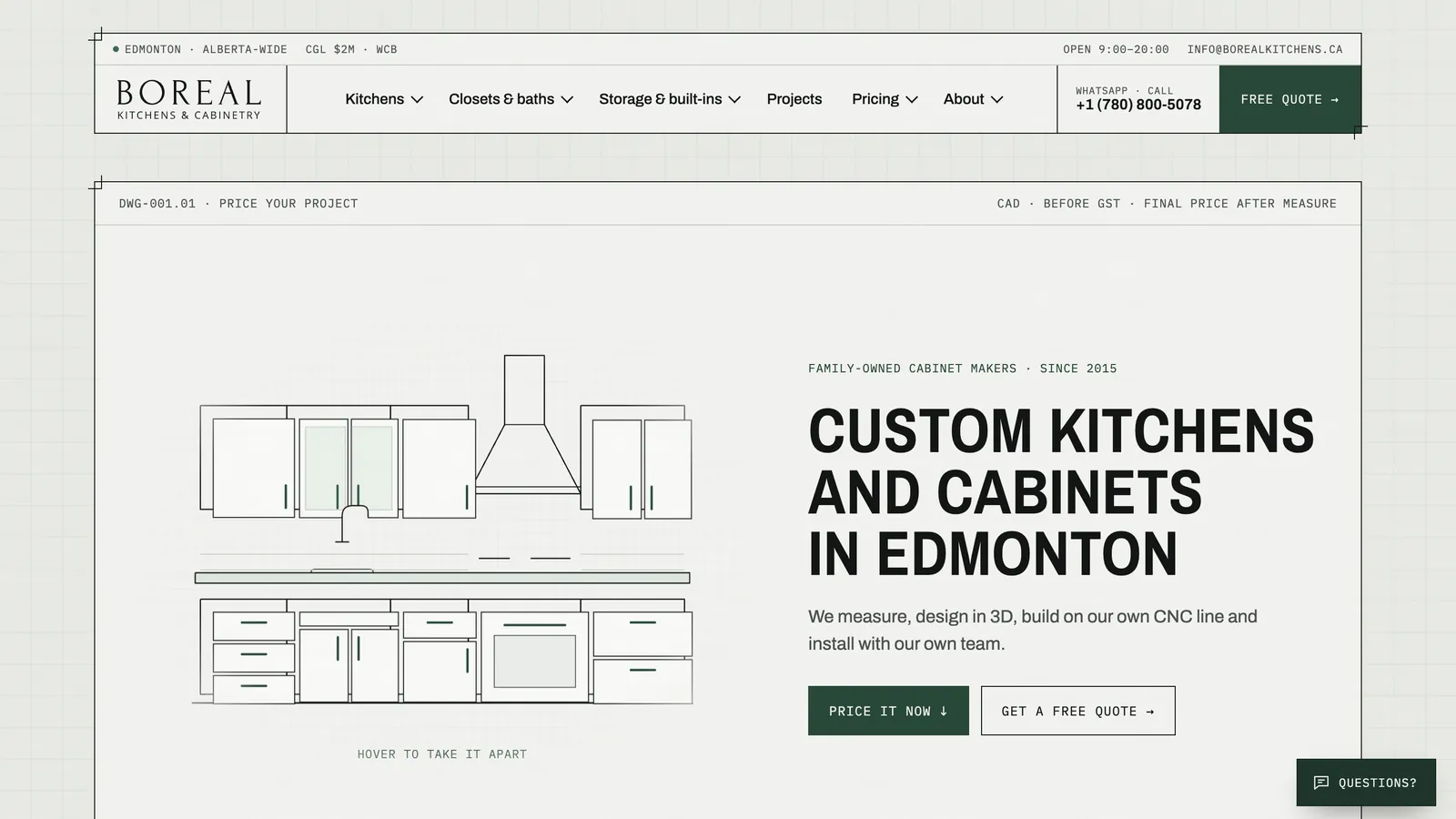
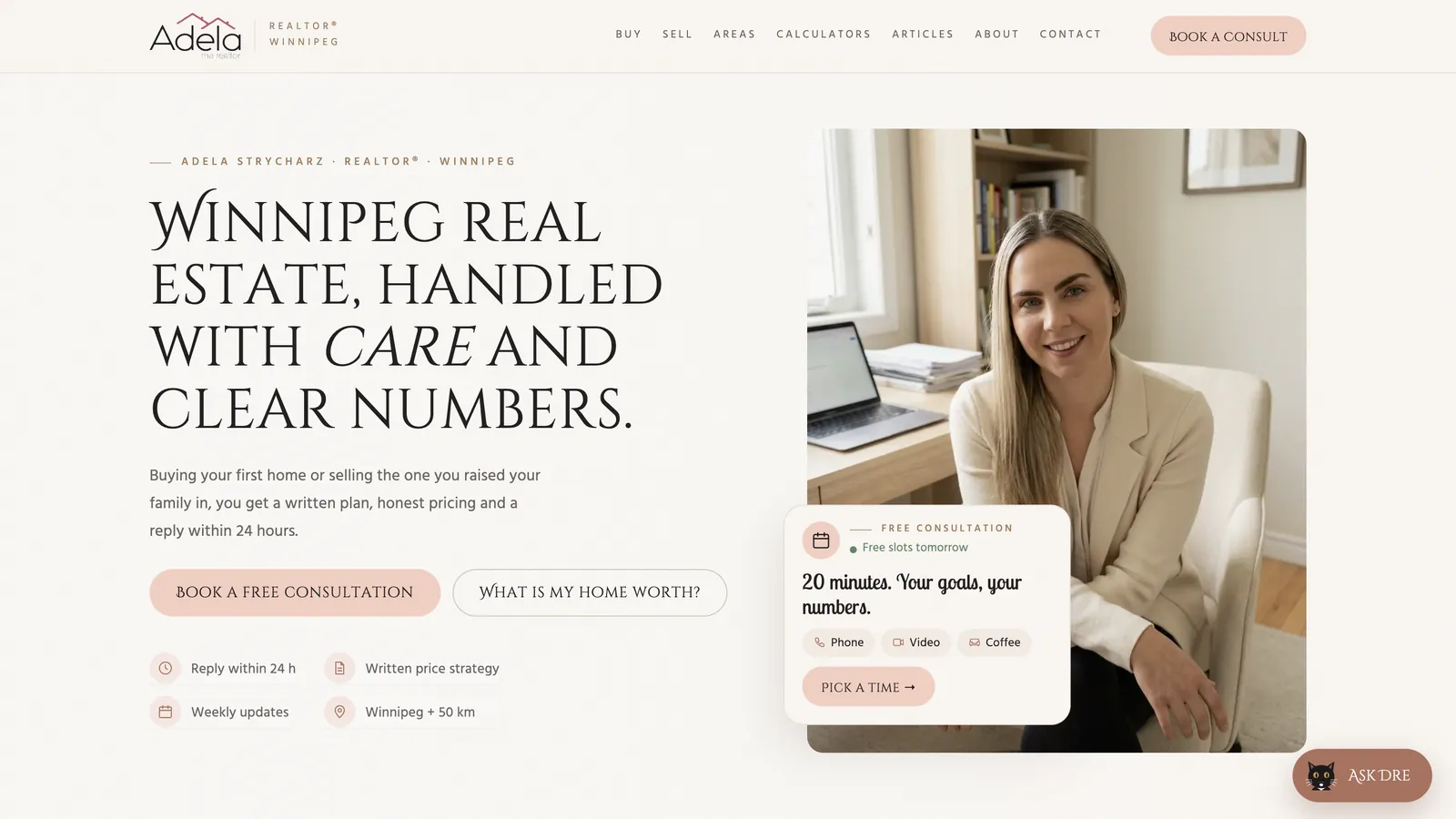
You can research local competitors in one afternoon with nothing more than a phone, a laptop and a spreadsheet. The goal is not to copy anyone. It is to find out who your customers see before they see you, what those businesses promise, what people praise and complain about, and where there is a gap you can fill. Four focused hours will tell you more than months of guessing.
Below is the exact sequence I use, broken into five blocks of about 45 minutes each. Open a spreadsheet with one row per competitor and add columns as you go.
Block 1: find who you are really competing with (45 minutes)
Your real competitors are not always the ones you think. They are whoever shows up when a customer searches.
- Open a private browser window, so your own search history does not shape the results.
- Search for your three main services the way a customer would: "emergency plumber near me," "kitchen remodel [your town]," "dentist open Saturday."
- Note who appears in the ads at the top, in the map pack and in the first organic results.
- Repeat on your phone, standing in your actual service area if you can. Map results depend heavily on location.
You will end up with five to ten names. Some will be other local firms, some national chains or franchises, some directories like Yelp or Angi. Keep the five that appear most often. If a national chain dominates, my article on how a small business can compete with national chains is the next thing to read.
Block 2: read their Google profiles and reviews (45 minutes)
For each competitor, write down the number of reviews, the average rating, how recent the last ten reviews are and whether the owner replies.
Then read reviews, especially the three-star ones. Five-star reviews tell you what people expect. One-star reviews are often angry and unfair. Three-star reviews tell you what almost worked: "great work but they never called back," "fair price but the crew showed up two hours late." Those sentences are gold. Each one is a promise you can make and keep.
Make two columns: "customers praise" and "customers complain." By the end of the block you will see patterns across the whole market, not just one company.
Block 3: check what they advertise (45 minutes)
Two free tools show you competitors' ads:
- Google Ads Transparency Center. Search a business name to see the ads it has run on Google, including text ads.
- Meta Ad Library. Search a page name to see every active Facebook and Instagram ad, with the creative and the start date.
Look at the offers (free estimates, financing, same-day service), the language they use and how long ads have been running. An ad that has run for months is probably working. An ad that appears and vanishes in a week probably did not.
Do not try to guess their budget. You cannot see it, and any tool that claims to know is estimating. Focus on messages and offers.
Block 4: walk through their websites like a customer (45 minutes)
Visit each website on your phone and answer the same questions every time:
- Can I tell in five seconds what they do and where?
- Is there a phone number I can tap?
- Do they show prices or price ranges?
- Do they have a separate page for the service I searched for?
- What proof do they show: photos, reviews, guarantees, years in business?
- What happens when I fill in the form? (Optional, and only if you are comfortable doing a polite test inquiry.)
Note anything that made you hesitate. If you hesitated, so do their customers.
Block 5: turn notes into decisions (45 minutes)
Now step back and fill in a simple summary table.
| Question | What you found | What you will do |
|---|---|---|
| What does everyone promise? | e.g. "free estimates," "licensed and insured" | Mention it, but do not lead with it |
| What do customers complain about? | e.g. slow callbacks, vague pricing | Make the opposite your main promise |
| Who shows prices? | e.g. nobody | Show ranges and stand out |
| Which searches have no strong local answer? | e.g. a specific service or neighborhood | Build a page for it |
| Where are they weak online? | e.g. few reviews, slow site | Win there first |
The right-hand column is the whole point. Pick two or three actions you can take this month. For example: start a review routine, add a pricing section to your service pages and build one page for a service nobody covers well.
An example of the summary in action
Imagine a house cleaning company that runs this exercise. Across five competitors, the reviews keep praising thoroughness and keep complaining about different cleaners every visit and last-minute cancellations. None of the five shows prices. Two run Facebook ads with the same "cheaper first clean" style offer, and one has been running them for months.
The owner's decisions almost write themselves: promise the same cleaner every time and say so in the ads and on the site, publish starting prices for standard homes, and lead with reliability rather than price. Nothing here required inside information or paid tools, only an afternoon of careful reading.
What this research cannot tell you
An afternoon on public information shows you positioning, not profitability. You will not see their margins, their conversion rates or how many leads they actually close. Be careful drawing conclusions from what looks busy. Some businesses with heavy ads are losing money on every click.
It also does not replace talking to your own customers. Ask the next five people who hire you who else they considered and why they chose you. That combined with this research is a solid base for defining your ideal customer.
If you would rather have someone do the deep version, with keyword data and a written comparison, that is what my competitor analysis service covers. It is also part of the $1,900 marketing audit and strategy. To go further on searches, see keyword research for a local business.
Let’s talk
about your business
Before the call I review your website and ads. After the call you get an action plan and a price range in writing.

12+ years in online marketing, 100+ clients. I build websites, Google Ads and Meta ads campaigns, CRMs and automations for small and mid-sized businesses. About me →
Competitor research questions
How many competitors should I research?
Five is a good number for one afternoon. Fewer and you might mistake one company's habits for the whole market; more and you will skim instead of reading. Pick the five that appear most often across your main searches, including at least one national chain or directory if they dominate the results.
Is it legal to look at competitors' ads and websites?
Yes. Ads in the Google Ads Transparency Center and the Meta Ad Library are public by design, and websites and reviews are public pages. What you should not do is copy their text, photos or branding, or post fake reviews and fake inquiries meant to waste their time.
How often should I repeat local competitor research?
Once or twice a year is usually enough for a stable market. Repeat it sooner if a new competitor opens nearby, your inquiries drop suddenly or you are about to launch a new service or location. A quick check of the map pack and ad libraries every quarter catches most changes.
What if my competitors are much bigger than me?
Look for what size makes difficult for them: fast personal replies, flexible scheduling, specialist services, a neighborhood focus. Large companies often have weaker reviews about communication and follow-up. Those gaps are where a small business usually wins.
Want a full competitor
report instead?
Tell me your service and your area. I will reply within one business day with what a proper competitor analysis would cover and cost.