



YouTube ads
YouTube ads let a small business show what it does in 15 or 30 seconds to people in its own area or niche, for far less than local TV ever cost. I choose the format, targeting and tracking so the video leads to searches, calls and sales, not just a view counter.
Free: a 30-minute call, an action plan and a price range in writing.
6 YouTube formats
and what each is for
Skippable in-stream
Plays before or during other videos. You pay when someone watches 30 seconds or interacts, which suits explaining an offer.
Non-skippable and bumpers
Short spots of 6 or 15 seconds that everyone sees. Fine for reminders, poor for anything complicated.
In-feed video
Shows in YouTube search and next to related videos. The viewer chooses to click, so attention runs higher.
Shorts
Vertical clips in the Shorts feed. Inexpensive reach among younger viewers, and the first second decides everything.
Video for leads
Campaigns with a clear call to action and a form or landing page, judged by leads rather than views.
Video remarketing
Ads for people who already watched your videos or visited your site. For many small businesses, this is where YouTube pays for itself.
Short videos
people watch to the end
I edit vertical reels with captions, because most people watch without sound.
- The key point in the first seconds
- On-screen captions
- One reel, several formats
Month one
of a YouTube campaign
-
01
Week 1
Goal and audience
We agree on what success looks like: site visits, searches for your name, calls or sales. I define who should see the ad and where.
-
02
Week 2
Video and setup
You send footage, or I script and edit the ad. Campaign, audiences, frequency caps and tracking go live.
-
03
Week 3
First data
View rates, watch time, cost per view and early conversions. Weak placements and audiences get cut.
-
04
Week 4
Remarketing starts
Viewers turn into audiences for Search and Display, and the first report shows what the video actually moved.
YouTube ads
pricing
Prices in US dollars. You pay Google directly for views and clicks.
Campaign, targeting, tracking and remarketing lists.
- Format matched to your goal
- Location and audience targeting
- Frequency caps
- Viewer lists for remarketing
Monthly, cancel with one month's notice.
- Placement and audience cleanup
- Creative rotation
- Brand search lift tracked
- Report every 2 weeks
When YouTube ads pay off for a small business
YouTube ads don't replace Search. Someone watching game highlights or a cooking video isn't hunting for a remodeling contractor. What video does well is make people remember you, so that when the need arrives they search for your name rather than a generic phrase. That makes YouTube a good match for businesses with a visual product (kitchens, landscaping, cosmetics, restaurants), for a new offer nobody searches for yet and for brands that want to own their local market.
For a plumber with a modest budget, I'd put the money into Search campaigns first. For a custom cabinetry shop with gorgeous finished projects, short videos of real kitchens can lower the cost of every lead that comes after.
Targeting that keeps the budget local
The biggest waste on YouTube is reach that can never turn into a customer. I set location targeting to where you actually work, then stack audiences on top:
- Custom segments built from search terms, for example people who recently searched for “kitchen remodel”.
- Life events such as moving into a new home or starting a business, where they fit.
- Your own data: site visitors, customer lists and people who watched your other videos.
- Placements on specific channels, used sparingly when the match is obvious.
Frequency caps keep one person from seeing your ad ten times a day, which annoys far more than it sells.
What makes a YouTube ad work
The first five seconds decide whether someone skips. Show the result or name the problem right away, get your logo or name on screen early and say clearly what to do next. Fifteen to thirty seconds is enough for most offers. For Shorts, shoot vertical and treat it like a social clip, not a TV commercial.
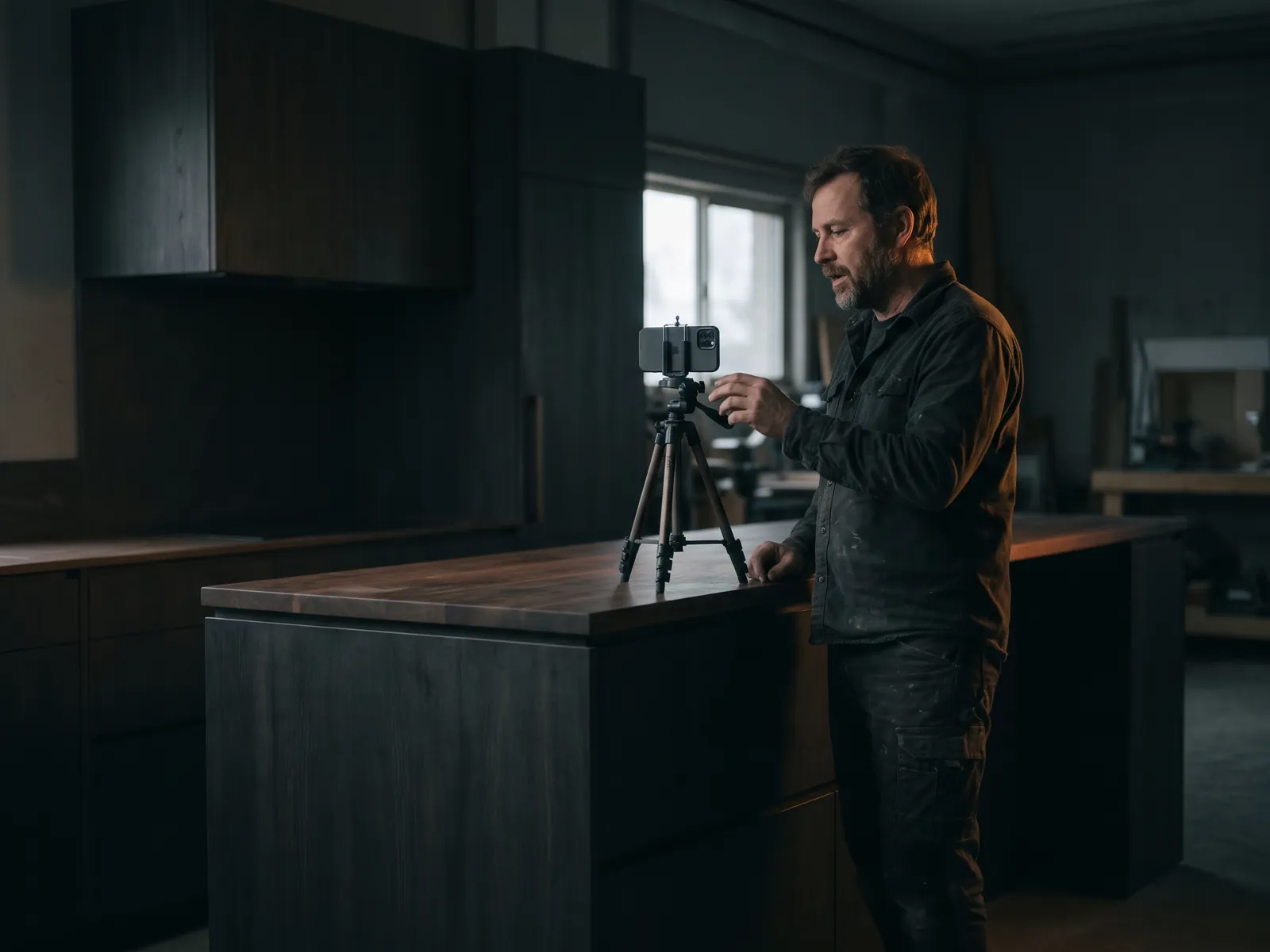
You don't need a studio. A recent phone, daylight and a clip-on mic go a long way. If you'd rather stay off camera, a product demo or a time-lapse of a job works too. I help with script and editing through my video ads work.
Measuring video the right way
Views and view rates only scratch the surface. I track conversions from viewers, the change in branded searches and how people who watched behave later on. Viewers flow into audiences for remarketing, so the next ad they see may be a Search or Display ad with a concrete offer. Over a few months, that combined effect tells you whether video earned its budget.
Example: a remodeler planning spring
Picture a remodeling company in the Northeast getting ready for spring. In February, while yards are still under snow, a 20-second video of a finished basement plays to homeowners in its service area. In March the same viewers see Search and Display ads offering a free estimate. If the plan works, brand searches rise and Search leads get cheaper because people already know the name. That is a plan I'd test with you, not a promised outcome.
Common mistakes with video budgets
The first is targeting the whole country because the reach figure looks impressive. The second is running one ad for six months until everybody who sees it is sick of it. The third is judging the campaign on clicks after two weeks and switching it off before remarketing and brand searches could show anything. I plan a test of at least six to eight weeks with two or three video versions, a firm budget cap and agreed numbers to watch, so the decision to keep or stop rests on evidence.
Related campaign types
YouTube placements also run inside Demand Gen and Performance Max campaigns, alongside images on Discover and Gmail. For most small businesses I start with a standalone video campaign, because it is easier to control and to measure.
Setup is $600 and management starts at $1,000 a month. To compare every channel, see the Google Ads services overview.
Video and
reach campaigns
YouTube ads
questions
Do I need a professionally produced video?
Usually not. For a local business, a clear clip shot on a phone showing you, your crew or your finished work often does as well as a polished production, sometimes better. What counts is a strong first five seconds, your name on screen and one clear next step. Clean audio and captions help, since many people watch on mute.
Can YouTube ads target only my metro area?
Yes. You can target cities, ZIP codes or a radius around your location, then layer interests, life events or custom segments based on what people search for. For a business covering one metro or a few counties, I keep targeting tight so the budget doesn't spread across the whole state.
How will I know whether the video worked?
Direct clicks from video are usually low, so I look wider: more searches for your brand, more direct visits, conversions from people who saw the ad and remarketing results. These measurements go in before launch, so the report shows impact and not only views.
What budget do YouTube ads need?
Views cost far less than search clicks, so a few hundred dollars buys a lot of local reach. To learn something useful, though, I plan YouTube as an addition to Search, not a replacement. Most clients add video once Search is running steadily at around $1,500 a month.
Could my ad appear next to content I dislike?
I exclude sensitive content categories, kids' content where it doesn't fit and money-wasting placements such as mobile game apps. YouTube's controls aren't perfect, so I check placement reports regularly and keep adding exclusions.
Let's shape it into
a 30-second ad
Tell me what you sell and who buys it. On a free 30-minute call I'll suggest a format and a simple script you can shoot this week.