



SMS
marketing
SMS marketing for businesses whose customers live on their cell phones: reminders that cut no-shows, "your car is ready" alerts, and the occasional short offer. I set up the number, the carrier registration, the opt-in wording and the messages, so texting helps you without inviting a TCPA demand letter.
Free: a 30-minute call, an action plan and a price range in writing.
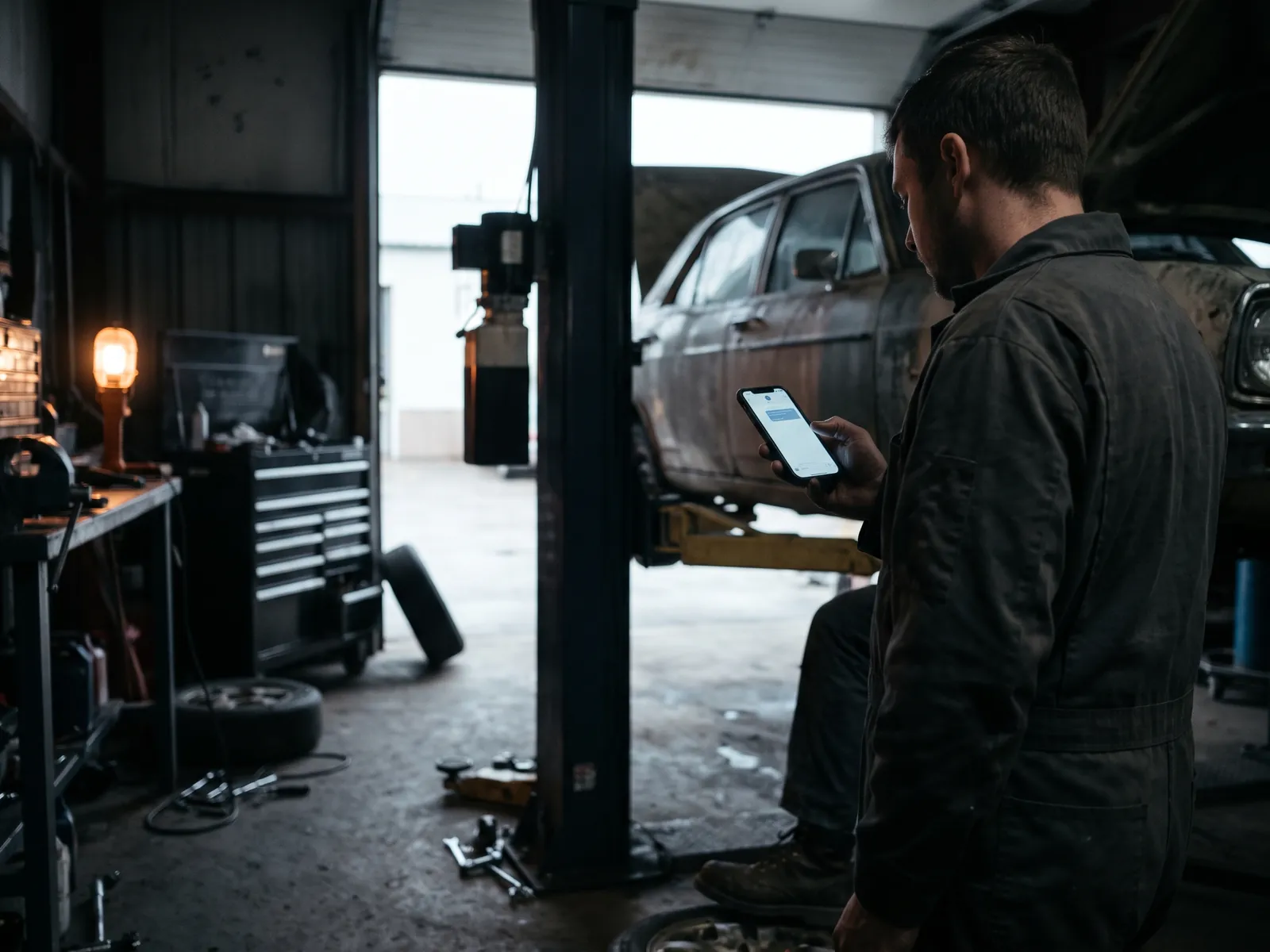
Six jobs texts do
better than email
A text is read within minutes, which makes it perfect for anything time-sensitive and terrible for anything long.
One short text the day before an appointment, with a reply option to confirm or reschedule.
Car, dry cleaning, a custom order: the customer knows the minute it is done.
AC check before the first heat wave, snow tires before the first storm, sent only to people who opted in.
A cancellation tomorrow at 10 a.m. offered to customers on a waitlist who asked to hear about it.
A short check-in a few days after an estimate, often answered faster than an email.
A thank-you after the job with a direct link to your Google Business Profile.
An email series
that works for you
After signing up, customers get the next messages at the right moment, and you see what they opened and clicked.
- Welcome and tips
- An offer on the right day
- Reminder about the next appointment
Getting texting live
in 4 steps
10DLC registration review can take from a few days to a few weeks, so I start it early in the project.
SMS marketing
pricing
SMS work is quoted individually after a short call. Prices are in US dollars. The texting tool, carrier registration fees and per-message charges are billed to your own account.
Texting set up end to end, with consent built in.
- Tool chosen and connected
- 10DLC registration handled
- Opt-in wording and storage
- Reminder and alert templates
- First campaigns written
Already texting customers? I review your setup, wording and consent records.
- Consent and opt-out review
- Message wording feedback
When SMS marketing makes sense
SMS marketing works best for businesses where timing matters: salons, clinics, auto shops, restaurants with takeout, home service companies with scheduled visits. A text arrives on the lock screen and usually gets read within minutes, which is exactly why it should be short, useful and rare. Texting does not replace email marketing; it covers the moments when an email would arrive too late or get buried.
It is a poor fit for long stories, frequent promotions or anything a customer did not ask for. Americans are tired of spam texts, and carriers filter aggressively, so the bar for a business text is higher than for an email.
Consent: the TCPA in plain English
The Telephone Consumer Protection Act and the FCC's rules make texting the most regulated channel a small business touches. Lawsuits under it are common, and damages are counted per message. The key points:
- Marketing texts need prior express written consent. A clear opt-in, for example a checkbox that is not pre-checked, with wording that says the customer agrees to receive marketing texts from your business. Consent cannot be a condition of purchase.
- Informational texts are different. A reminder for an appointment the customer booked, or a notice that an order is ready, generally needs less, but once you add a sales pitch it becomes marketing.
- Opt-out must be easy. Replies like STOP, END or CANCEL should unsubscribe immediately, and opt-out requests made in other reasonable ways must be honored too.
- Quiet hours. Federal rules point to 8 a.m. to 9 p.m. in the recipient's time zone, and several states have their own, stricter laws.
I store the date, source and wording of each consent next to the phone number, so you can show it if anyone asks. My article on TCPA rules for SMS goes deeper. This is general information, not legal advice; for your specific case, check with your attorney.
Carrier registration: 10DLC
Separately from the law, US carriers run their own system. Businesses texting from a standard 10-digit number must register their brand and each use case through The Campaign Registry, usually inside their texting tool. Carriers check that the website has a privacy policy, that the opt-in is clear and that sample messages match the declared use. Unregistered or mismatched traffic gets filtered. I prepare the registration so it passes on the first attempt as often as possible.
Writing texts people do not resent
Start with your business name, so nobody wonders who is texting. One message, one point. Include a link only when the customer needs it, and keep it on your own domain. Add "Reply STOP to opt out" to marketing messages. Avoid all caps, three exclamation marks and anything that reads like a lottery win. A good test: would you be glad to get this text from a business you like?
Connecting texts to the rest of your system
Texts work best when they come from the same place as everything else. Reminders fire from your booking tool, alerts from your job management or CRM, and replies land where your team can see them. A booking reminder can also come from a booking bot that already holds the appointment. I connect these pieces so a customer who opts out of texts is marked in the CRM and does not get re-added by another tool next week.
What it costs to run
You pay the texting tool's subscription, a one-time and monthly carrier registration fee and a small charge per message, all billed directly to your account. My setup fee is quoted after a short consultation, once I know the use cases and tools. For most local businesses, the running costs are modest compared with one no-show avoided per week.
Texting fits
with these
SMS marketing
questions
Do I need consent before texting my customers?
For marketing texts, generally yes, and in writing. Under the TCPA and FCC rules, promotional texts sent through a texting platform usually require prior express written consent, such as a checked box with clear wording on a form. Purely informational texts, like a reminder for an appointment the customer booked, have looser rules. Rules change and states add their own, so check with your attorney.
What is 10DLC and why do I need it?
10DLC means a regular 10-digit local number used for business texting. US carriers require businesses to register their brand and each texting campaign before sending through such numbers. Unregistered traffic is often filtered or blocked. I prepare and submit the registration through your texting tool, and the small fees are paid from your account.
How often can I send marketing texts?
Far less often than email. For most local businesses, two to four promotional texts a month is the upper limit before opt-outs climb. Reminders and alerts do not count toward that, since customers expect them. I tell subscribers the expected frequency at sign-up, which carriers also look for during registration.
What time of day can texts go out?
Federal telemarketing rules point to 8 a.m. to 9 p.m. in the recipient's local time, and some states, such as Florida, set narrower windows or extra limits. I schedule by the customer's time zone and avoid early mornings, late evenings and Sundays unless a reminder needs to go out.
Is texting better than WhatsApp for US customers?
For most American customers, yes: everyone can receive a text, while WhatsApp is common mainly among immigrant communities and people with family abroad. If many of your customers already message you on WhatsApp, a WhatsApp chatbot can work alongside texts. I look at how your customers contact you now before recommending either.
Let's begin with
the reminder text
Reminders are the easiest win and the lowest risk. Tell me how you book appointments today, and I'll reply within one business day with a plan. Or book a free 30-minute call.