



AI receptionists and voice bots: what they can and can't do
An honest look at AI receptionists and voice bots: the calls they handle well, the calls they should hand to a person, legal points in the US and how to test one.
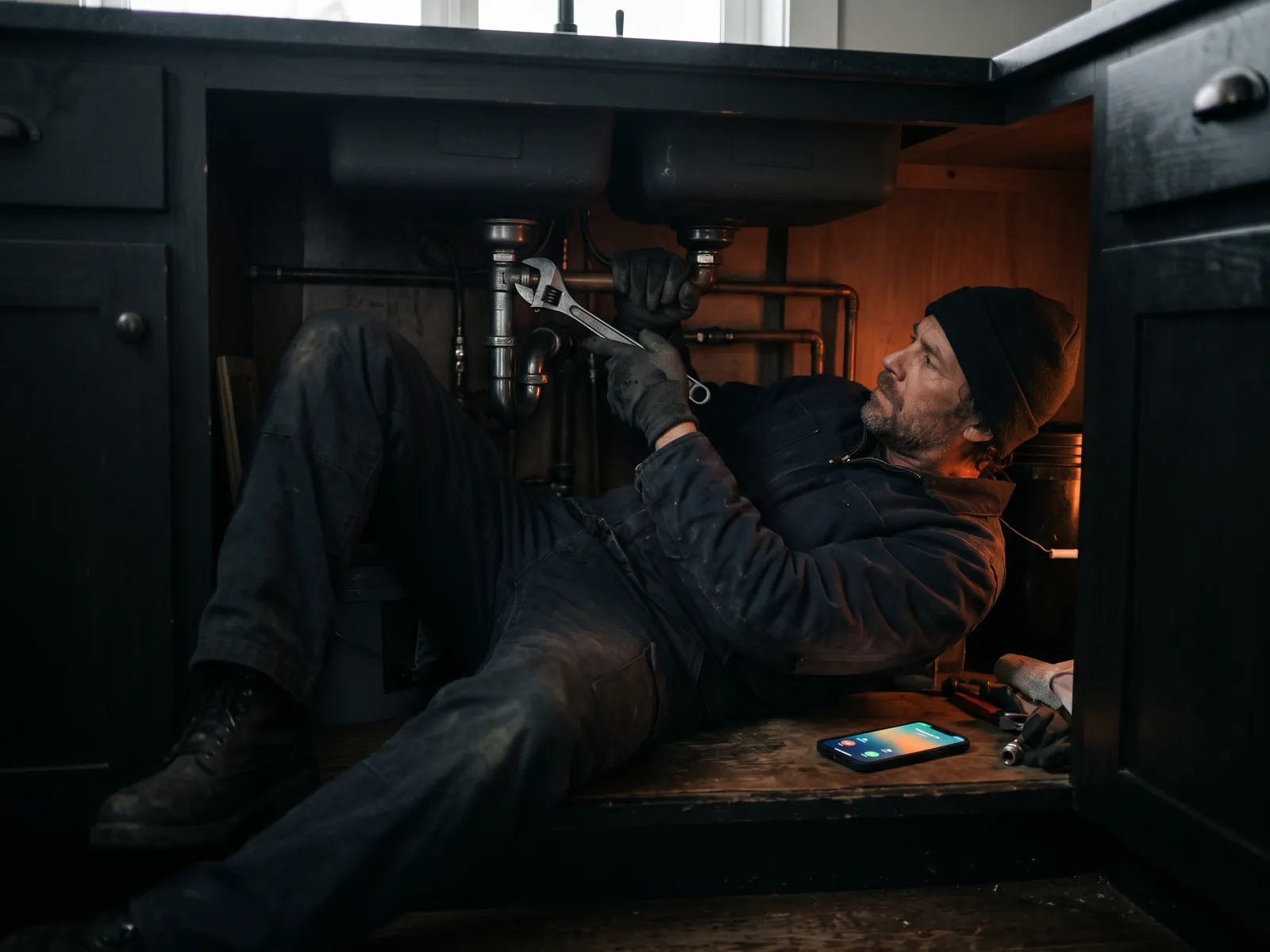
An AI receptionist, or voice bot, is software that answers your business phone, talks with callers in natural language and does simple tasks: takes their details, answers common questions, books appointments and passes the rest to a person. It handles routine, predictable calls well, especially after hours. It handles emotional, complex or high-value calls poorly, and it should hand those to a human quickly.
The technology improved fast in the last few years. Voices sound natural, and the bots understand most callers. That makes it tempting to put one on the main line and forget about missed calls. Before you do, it helps to know where these systems are strong, where they fail and what US rules to keep in mind.
What an AI receptionist does well
After-hours intake. A call at 9 p.m. about a leaking water heater gets answered. The bot asks for the address, the problem and a callback number, then creates a lead in your CRM and texts the on-call technician.
Answering the same five questions. Hours, service area, whether you take a certain insurance, whether you work on a certain brand, where to park. These calls eat front desk time and are easy to script.
Booking and rescheduling. Connected to a calendar with clear rules, a voice bot can offer open slots and confirm them. This works well for salons, clinics, fitness studios and service businesses with standard job lengths.
Overflow during peaks. When the front desk is on another line, the bot answers instead of voicemail, and you lose fewer callers to the next business.
Consistent information. A bot gives the same answer about your cancellation policy at 8 a.m. and at 8 p.m. People do not. For businesses where staff turnover is high, that consistency is worth something.
Structured notes. Every call ends with a summary: who called, what they wanted, what was promised. Compare that with a sticky note that says "call back Jim, roof?".
Where voice bots struggle
- Angry or upset callers. A complaint handled by a bot often becomes a one-star review.
- Emergencies. A bot should recognize an urgent situation and connect to a person or give clear instructions, not keep asking questions.
- Accents, noise and bad connections. Recognition is good but not perfect, especially on a job site or a highway.
- Judgment calls. "Can you fit me in today if I bring the car now?" depends on things the bot cannot see.
- Pricing for custom jobs. A bot that guesses a price creates a promise you may have to break.
- Anything sensitive. Healthcare, legal and financial details need careful handling and often a human.
Voice bot vs other options
| Option | Strengths | Weaknesses |
|---|---|---|
| Your own staff | Judgment, empathy, sales skill | Limited hours, cost |
| Live answering service | Human voice, covers after hours | Scripted, may not know your business deeply |
| AI voice receptionist | Always available, consistent, connects to systems | Weak on emotion and complex calls |
| Missed call text-back | Cheap, simple, works with any staff level | Caller has to reply by text |
Cost is the other side. A live answering service usually charges by the minute or by a monthly bundle of calls. AI platforms also usually charge by the minute or by plan, sometimes less per call, but with more setup work up front. The cheapest option on paper can become expensive if it handles your best customers badly.
Many businesses do best with a mix: staff during the day, a text-back for missed calls and either a live service or a voice bot after hours. The article on missed call text-back covers the simplest piece of that mix.
US rules worth knowing
This is not legal advice, and rules change, so confirm with your attorney before you launch.
- Call recording consent. Many voice bots record and transcribe calls. Federal law allows recording with one party's consent, but several states, including California, Florida, Illinois, Pennsylvania and Washington, generally require all parties to consent. A clear notice at the start of the call ("this call may be recorded") is the usual practice.
- Outbound AI calls. Using AI-generated voices to call people is a different matter. The FCC has said that AI-generated voices count as "artificial" under the TCPA, so marketing calls with them generally need prior express consent. An inbound receptionist is less risky than an outbound calling bot.
- Disclosure. Telling callers they are speaking with an automated assistant is good practice and expected in some situations.
- Healthcare data. If you are a healthcare provider, the bot will hear protected health information. The vendor may need to sign a business associate agreement. See HIPAA and website tracking for the broader picture.
How to test one safely
- Start with after-hours only. Keep people on the phones during the day.
- Write the script with your best receptionist. What do callers ask, and what should the answer be?
- Define the handover rules. Which words or situations send the call straight to a person or a priority callback?
- Connect it to your CRM. Every call should create a record with a transcript and a task. A bot whose notes live only in its own dashboard creates more work.
- Listen to the first 50 calls. Fix wrong answers, awkward phrasing and missed handovers. Pay special attention to the calls that ended early: a caller who hangs up after ten seconds is telling you something about the greeting or the first question.
- Measure. Compare callbacks, bookings and complaints before and after.
How I approach voice bots
Voice bots are quoted individually after a short call, because the price depends on call volume, platform and integrations. Like chatbots, I deliver them with a trusted partner; the contract, deadlines and communication stay with me. My part is making sure the bot fits your sales process and feeds your CRM. You can read more on the voicebots page. If a text-based assistant on your website would cover most of the need, compare costs in how much an AI chatbot costs.
Good jobs and bad jobs
for a voice bot
Takes name, number, address and the problem, then creates a lead and a callback task.
Hours, service area, parking, whether you handle a certain job.
When connected to a calendar with clear rules.
Complaints, emergencies, grief, anything where tone matters more than data.
Anything where the price depends on judgment should go to a person.
Medical, financial or legal details need extra care and often a human.
Work out what a bot
costs for your business
Tick the bot, the CRM and whatever else you need in the calculator. You’ll see the price right away.

12+ years in online marketing, 100+ clients. I build websites, Google Ads and Meta ads campaigns, CRMs and automations for small and mid-sized businesses. About me →
Voice bot questions
Will callers know they are talking to a bot?
They should, and many will notice anyway. Tell callers at the start that they are speaking with an automated assistant and offer a way to reach a person. Some states have rules about disclosing bots in certain situations, and honesty simply works better for trust.
How much does an AI voice receptionist cost?
Voice bots are quoted individually because the cost depends on call volume, integrations and the platform. Most platforms charge by the minute or by plan. I give you an estimate for your call volume before anything is built.
Can a voice bot replace my front desk?
For most small businesses, no. It works best as a backup for after hours, lunch breaks and overflow. The calls that make or lose the most money, such as an unhappy customer or a big project, still deserve a person.
Thinking about a
voice bot for your calls?
I will look at your call data and tell you which calls a bot could handle and which it should not touch. Free 30-minute call.